If a person’s offering is a communion [peace] sacrifice, if it is brought from the herd, be it a male or a female animal, it must be presented without blemish before the LORD. (Leviticus 3:1)
The burnt offering and the cereal offering were the most common sacrifices, mandatory, offered at least once a year by a head of a family, and usually offered together. They were offered daily at the Tabernacle, and we can imagine a very busy scene at the altar both morning and evening, for there were many people constantly streaming from afar to worship YHWH.
We now come to the third sacrifice, the peace offering, which was not mandatory, but offered freely. It is linked to the first two by the peculiar phrase “offering a soothing aroma to YHWH.” This anthropomorphism is delightful indeed, for it beautifully and simply describes YHWH’s pleasure in receiving these offerings. Whatever the personal background and motives may have been for making these offerings, which must have been varied and complex as human nature, one thing stands out; the worshipper, if he offered his sacrifice like Abel the Just, made God happy. Just the very thought of making our creator “happy” makes the godly heart warm with joy.
The meaning of the peace offering (Heb. šelāmîm) most likely draws from its root šlm universally recognizable by the noun “Shalom.” This word is loaded with a lot of theological freight. More than just getting along without war or conflict, the word takes us back to lost origins. Peace describes the blessedness of the seventh day of creation where God and humanity lived in harmony, true joy, without sin and its effects, before the curse upon the earth. In short, it is what every rightly-ordered soul longs for, and to wish peace on someone is the best blessing one can give. We see the word emphatically ending Aaron’s blessing:
The Lord bless you and keep you:
The Lord make His face to shine upon you and be gracious to you:
The Lord lift up His countenance upon you,
And give you peace (šālȏm).
Numbers 6:24ff.
This offering, therefore, is associated with all that is good, true, and beautiful. Still it comes at a cost of life. It could be of three types of animals, from cattle, sheep or goats. Like the burnt offering, the worshipper had to do the killing, flaying, and butchering. Unlike the burnt offering, just the liver, kidneys and the fat around the intestines went to God on the altar (if a lamb, the fatty tail as well), the breast and the right thigh (cf. Lev. 7: 31ff.) to the priests, and the rest to the worshippers. It is therefore a festive occasion where family and friends come together with God in a sacred meal. We get a sense of the joy in Deuteronomy 12:7:
There, too, in the presence of the LORD, your God, you and your families shall eat and rejoice in all your undertakings, in which the LORD, your God, has blessed you.
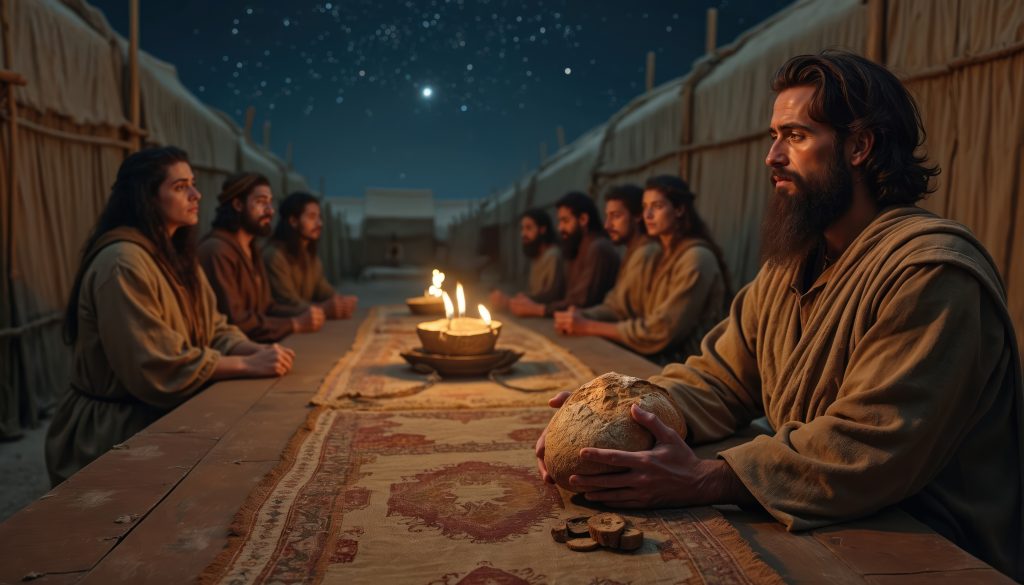
To us it may seem strange that God gets the liver, kidneys, and fat around the belly. But in the Hebrew culture these organs were associated with the deepest interior feelings and emotions moving within. This is what was being offered up to God, and what God wanted to stir up in His people. True, worship was “work” (e.g. liturgy) and demanded, but it must not become perfunctory. With this sacrifice we see God’s desire to sit down at the table and enjoy the company of His people, and for them to enjoy His. We see visions of the Lord’s Supper here in the clearest way. Indeed, the šelāmîm offering was one of thanksgiving, the Greek word for which is Eucharist.
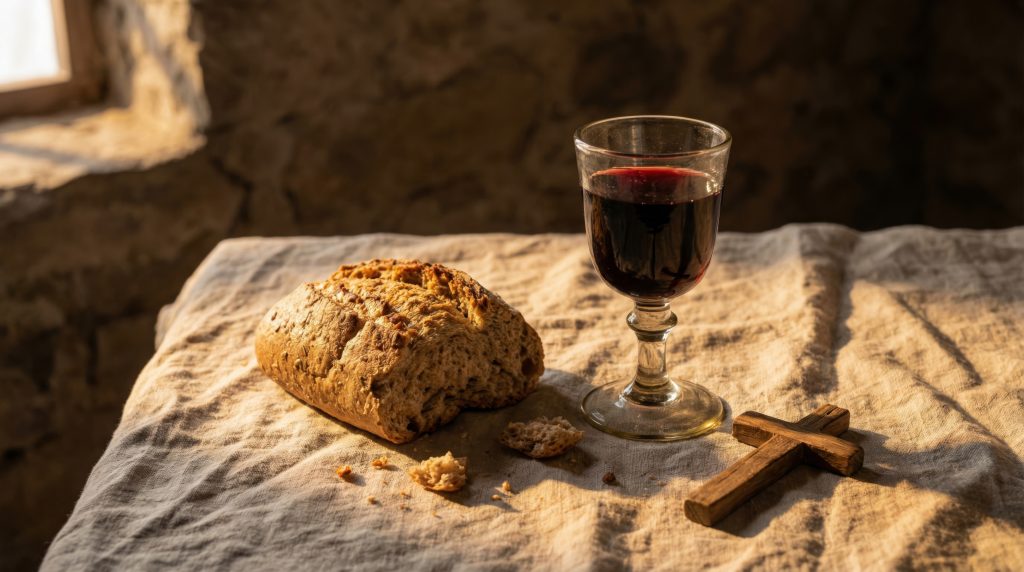
As we see how this sacrifice was offered in the warp and woof of Hebrew life, we find various motives inspiring the feast. It could be the worshipper desires deliverance from enemies or illness, and gathers humbly before God with family and friends, making sure to confess any sins which may have led to his predicament (e.g. Judges 20:26, 21:24, II Samuel 24:25). It could be the occasion of making a vow and the sacrifice acted as a pledge in a communal context as we see with Hannah pledging her son to the Lord in I Samuel 1, although the offering is not explicitly called šelāmîm. Usually it was a free will offering springing from the grateful heart, celebrating God’s goodness and mercy.
We see more clearly with this offering an emerging ecclesiology, where people freely come together with God and clergy, centered on the communal act of worship. Holiness is thus acted out in the scene before us in a very tangible way, a joyful fellowship, yet costly and deadly serious. We all by nature want “peace,” but true and lasting peace comes with a price, a price Jesus was willing to pay as the fulfillment of this šelāmîm offering when He lovingly says, “Peace I leave with you; my peace I give to you. Not as the world gives do I give it to you” (John 14:27). As Jesus self-gifted Himself for His Ecclesia, so must we too self-gift ourselves as a peace offering to the world as Jesus said to His disciples, “Peace be with you. As the Father has sent me, so I send you” (John 20:21).
Takeaway: The peace offering, like the burnt offering and cereal offering, is crucial to our understanding of our Mass and the Church and her mission.
Questions:
- Why do you think this particular offering was voluntary and not mandatory like the burnt offering or the grain offering?
- There was power in this offering to bring peace between God and one another. How would you describe your experience with peace in the context of the Mass and your worship?
Resources Used:
Radner, E., pp. 51ff.
The Pentateuch, in the Navarre Bible Commentary Series. Dublin: The Four Courts Press, 1999.
Wenham, G. pp. 73ff.